A home EV charger typically costs £600 to £1,200 supplied and fitted, and most installations take a single day. This guide covers how to check your electrical capacity, why a dedicated circuit is needed, what to look for in an approved installer, and what happens during the survey and installation. All work should be to BS 7671 standards.
Charging an electric vehicle at home is far more convenient and cost-effective than relying on public chargers. A dedicated home charge point tops your vehicle up overnight, ready for the morning, and gives you full control over when and how you charge. This guide walks you through what a home EV charger installation actually involves, from the first capacity check through to the final certificate, so you know exactly what to expect before you book an installer.
Checking Your Electrical Capacity
Before any charger is fitted, your electrical supply needs to be assessed. A home charge point draws a steady, sustained load, so it is important to confirm your installation can support it safely alongside everything else in the property.
- Main fuse rating: Most modern homes have a 100A main fuse, which comfortably supports a 7kW charger. Older properties may have a lower-rated supply that needs checking before a charger is added.
- Existing load: An electrician assesses the demand from your existing circuits, particularly high-draw appliances such as electric showers, ovens, and heat pumps, to confirm there is enough headroom for a charger.
- Load management: Where capacity is tight, a charger with built-in load balancing can automatically reduce its output when the rest of the home is drawing heavily, avoiding an overload without an expensive supply upgrade.
- Earthing arrangement: EV chargers have specific earthing requirements under BS 7671. Your installer confirms the property's earthing is suitable, or fits the correct protective device, so the charger is safe to use outdoors.
Why a Dedicated Circuit Matters
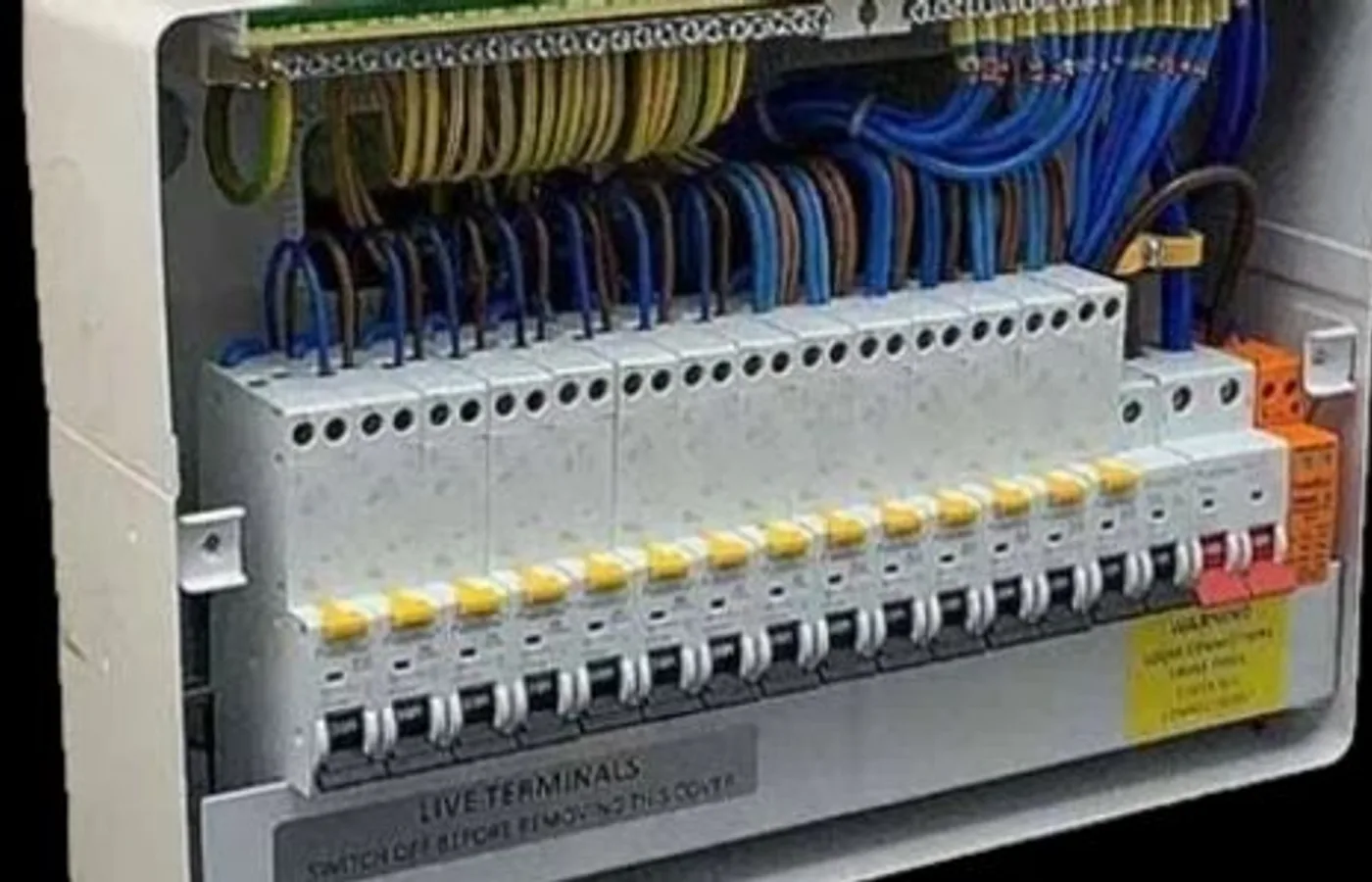
An EV charger must be supplied by its own dedicated circuit run directly from your consumer unit. It cannot be spurred off an existing socket or ring final circuit, and there are good reasons for that.
- Sustained load: A vehicle can draw its full charging current for hours at a time. A dedicated circuit is sized and protected specifically for that continuous demand, which a general-purpose socket circuit is not designed to handle.
- Dedicated protection: The circuit is fitted with its own overcurrent and residual current protection, so a fault on the charger cannot affect the rest of the home, and vice versa.
- Compliance: BS 7671 and the associated guidance treat EV charging as a special installation with its own requirements. A dedicated circuit is the only compliant way to meet them.
- Reliability: With its own circuit, the charger is not competing with other appliances, so you get consistent, uninterrupted charging every time.
Planning a Home EV Charger?
Call MW Installation on 07493 053049. We are an approved installer for leading EV charger brands and provide free quotes for EV charger installation across Glasgow and Lanarkshire.
Call for a Free QuoteApproved Installers and Grant Eligibility
Choosing an approved installer matters for both safety and any funding you may be entitled to. Government EV charge point grants, run through the Office for Zero Emission Vehicles (OZEV), are only claimable when the work is carried out by an OZEV-authorised installer.
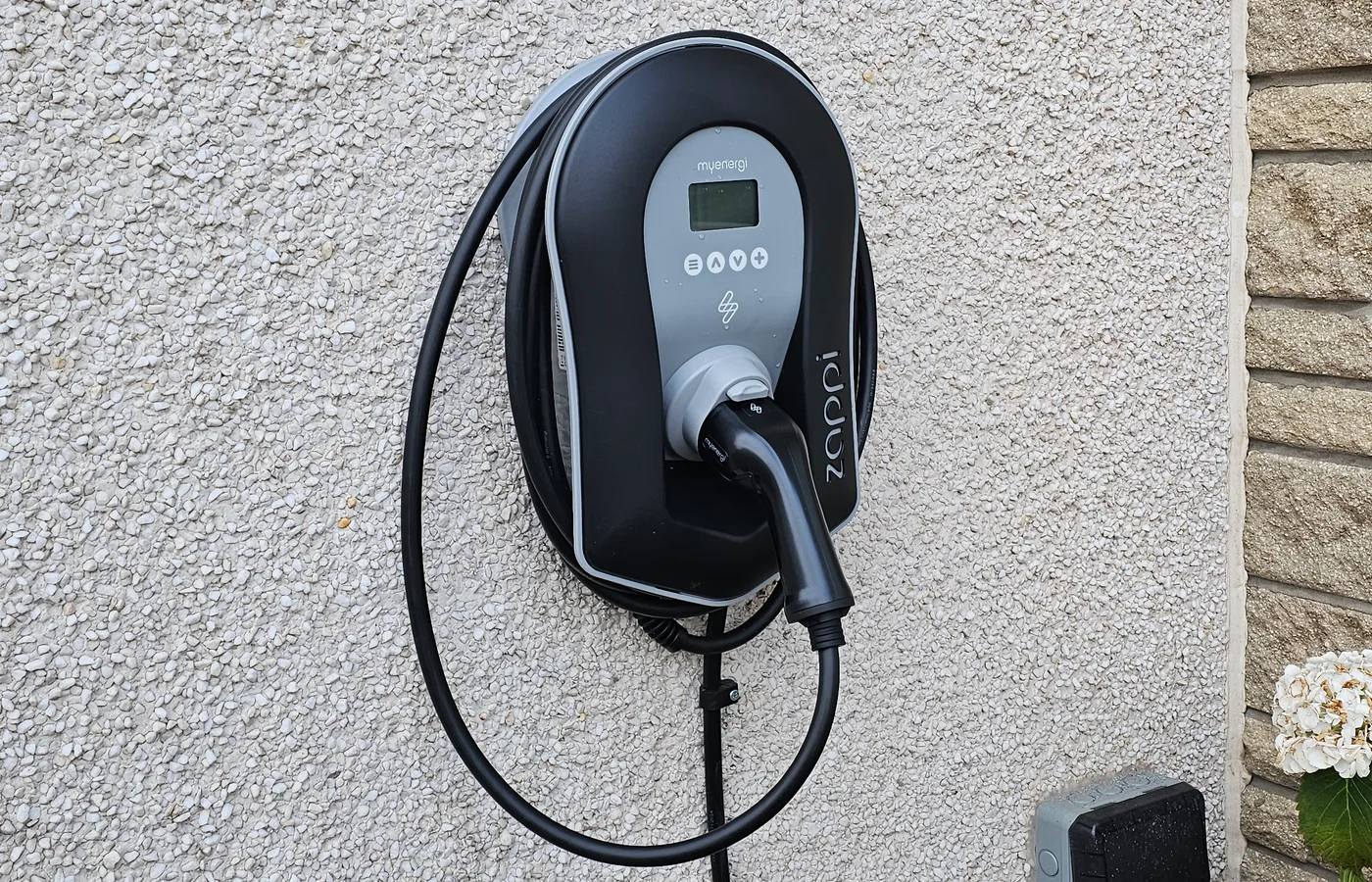
- Approved installer: As an approved installer for leading brands including Tesla, Wallbox, Rolec, Zappi and Ohme, we fit your charger to manufacturer specification and current standards.
- Grant eligibility: Grants towards EV charge points depend on your circumstances, such as living in a flat or rented accommodation, and the schemes available vary across the UK. We can advise on whether your installation may qualify.
- Correct paperwork: Grant claims require the installation to be documented and submitted correctly. Make sure your installer handles this properly so nothing is missed.
- Standards you can trust: Approval is not just a label. It confirms the installer follows current regulations and installs to a consistent, tested standard.
The Survey and Installation Day
A professional EV charger installation is a planned process, not a rushed job. Here is what happens from the first visit to the finished, certified charge point.
- Pre-installation survey: We visit or assess your property to confirm your electrical capacity, agree the best position for the charger, and plan the cable route. This is when we recommend the right unit and confirm the final price.
- Installation day: Most domestic installations are completed within a single day. We run the dedicated circuit from the consumer unit, mount the charger securely, install the correct protective devices, and connect everything neatly.
- Testing and commissioning: Before we finish, the installation is fully tested, the charger is commissioned, and we confirm it communicates correctly with your vehicle.
- Handover: We show you how to operate the charger, set any schedules or app controls, and answer your questions, then leave the job tidy.
A typical home EV charger installation costs between £600 and £1,200 supplied and fitted, depending on the unit chosen, the cable run required, and any protective upgrades needed. We provide a clear, itemised quote after the survey so there are no surprises.
Choosing the Right Charger
There is a wide range of home chargers available, and the best one for you depends on your vehicle, your driveway, and how you like to manage charging.
- Charging speed: Most home installations use a 7kW charger, which fully charges a typical EV overnight. This suits the vast majority of households.
- Tethered or untethered: A tethered unit has a fixed cable ready to plug in, while an untethered unit uses a socket so you bring your own cable. Tethered is more convenient day to day; untethered is tidier and more future-proof.
- Smart features: Many chargers offer app control, scheduling, and the ability to charge during cheaper off-peak tariffs. Some integrate with solar panels to charge from your own generation.
- Brand and support: We are an approved installer for leading brands including Tesla, Wallbox, Rolec, Zappi and Ohme, and recommend a unit based on your vehicle, usage, and budget rather than pushing a single option.
Why Certification Matters
Every EV charger installation should be carried out and certified to BS 7671, the UK wiring regulations. This is not optional paperwork: it protects you in several important ways.
- Safety: An EV charger sits outdoors and carries a sustained load. A compliant installation with the correct earthing and protection keeps you and your property safe.
- Certification: On completion you receive an Electrical Installation Certificate confirming the work meets BS 7671. Keep this safe for your records, your insurer, and any grant claim.
- Insurance and warranty: Manufacturer warranties and home insurance both rely on the charger being installed by a qualified electrician. Uncertified work can invalidate cover.
- Resale and compliance: If you sell your home, buyers and their solicitors will expect documentation for the charge point. Proper certification protects your property value.
We are fully insured and certified, and an approved installer for leading EV charger brands, and every installation is completed to BS 7671 standards with full certification provided.
Frequently Asked Questions
Most domestic EV charger installations are completed within a single day. This includes running the dedicated circuit, mounting and connecting the charger, testing, commissioning, and certification. A longer cable run or a supply upgrade can occasionally extend this, which we would confirm at the survey stage.
A typical home EV charger costs between £600 and £1,200 supplied and fitted. The final figure depends on the unit you choose, the length of the cable run, and whether any protective devices or supply upgrades are needed. We provide a clear, itemised quote after the survey.
Yes. An EV charger must be supplied by its own dedicated circuit run directly from your consumer unit, with its own overcurrent and residual current protection. It cannot be spurred off an existing socket. We assess your setup during the survey and include any necessary work in the quote.
Eligibility for a government grant depends on your circumstances, such as living in a flat or rented accommodation, and the schemes available vary across the UK. Grant claims must go through an OZEV-authorised installer, so check eligibility before you book. We will make sure the installation itself is documented and certified correctly.
Most homes with off-street parking can have a charger installed. During the survey we confirm your electrical capacity, earthing arrangement, and cable route. Where capacity is tight, a charger with load management can often avoid the need for a costly supply upgrade.
A tethered charger has a fixed cable and is more convenient for everyday use, while an untethered unit uses a socket, keeps things tidier, and is more future-proof if you change vehicles. We talk through both options during the survey and recommend the best fit for your driveway and vehicle.