Landlords in Scotland are legally required to have a valid EICR, renewed every five years or sooner if specified. An EICR inspects the fixed wiring, sockets, circuits, and consumer unit, then categorises any issues by severity. This guide explains the inspection process, what the report codes mean, and how to keep a rental property electrically safe and compliant.
If you let a property in Scotland, the electrical safety of that property is your legal responsibility. The Electrical Installation Condition Report, or EICR, is the formal document that proves your fixed wiring has been inspected and is safe for tenants. This guide explains what an EICR covers, how often you need one, what the results mean, and the practical steps to keep a rental property compliant.
What Is an EICR?
An EICR is a formal inspection and test of a property's fixed electrical installation, carried out by a qualified electrician. It is a snapshot of the condition of the wiring and connected accessories at the time of inspection.
- Fixed wiring focus: An EICR examines the permanent electrical installation, the cabling, circuits, sockets, switches, and consumer unit, rather than portable appliances, which are covered separately by PAT testing.
- Condition assessment: The report identifies deterioration, damage, wear, and anything that does not meet the current wiring regulations, BS 7671.
- Formal document: The outcome is a written report with a clear satisfactory or unsatisfactory result, supported by a schedule of test results and any observations.
- Carried out by a professional: Only a competent, qualified electrician should carry out an EICR, as it involves both a detailed inspection and live electrical testing.
The Legal Requirement in Scotland
Scotland has clear, long-standing rules on electrical safety in the private rented sector. As a landlord, meeting them is not optional.
- Valid EICR required: Landlords in Scotland are legally required to hold a valid EICR for each rented property, confirming the electrical installation is safe.
- Renewed every five years: An EICR must be renewed at least every five years, or sooner if the report itself specifies an earlier date or if the property changes hands or undergoes major work.
- Before a tenancy: The inspection should be in place before a new tenant moves in, and the report made available to tenants.
- Part of wider duties: The EICR sits alongside your other electrical safety obligations, including ensuring appliances provided with the let are safe.
Failing to hold a valid EICR can leave you in breach of your legal duties, affect your landlord registration, and undermine your insurance if there is ever an electrical incident.
Need an EICR for Your Rental Property?
Call MW Installation on 07493 053049. We carry out EICRs and landlord safety inspections across Glasgow and Lanarkshire, with clear reports and free quotes.
Call for a Free QuoteWhat Gets Inspected
An EICR is a thorough process covering the fixed installation from the incoming supply through to the final circuits. Your electrician will inspect and test the following.
- Fixed wiring: The condition of the cabling throughout the property is assessed for damage, deterioration, overheating, and correct installation.
- Sockets and switches: Accessories are checked for damage, secure fixing, correct polarity, and safe operation.
- Circuits: Each circuit is tested for continuity, insulation resistance, and correct protection, confirming it is safe under both normal and fault conditions.
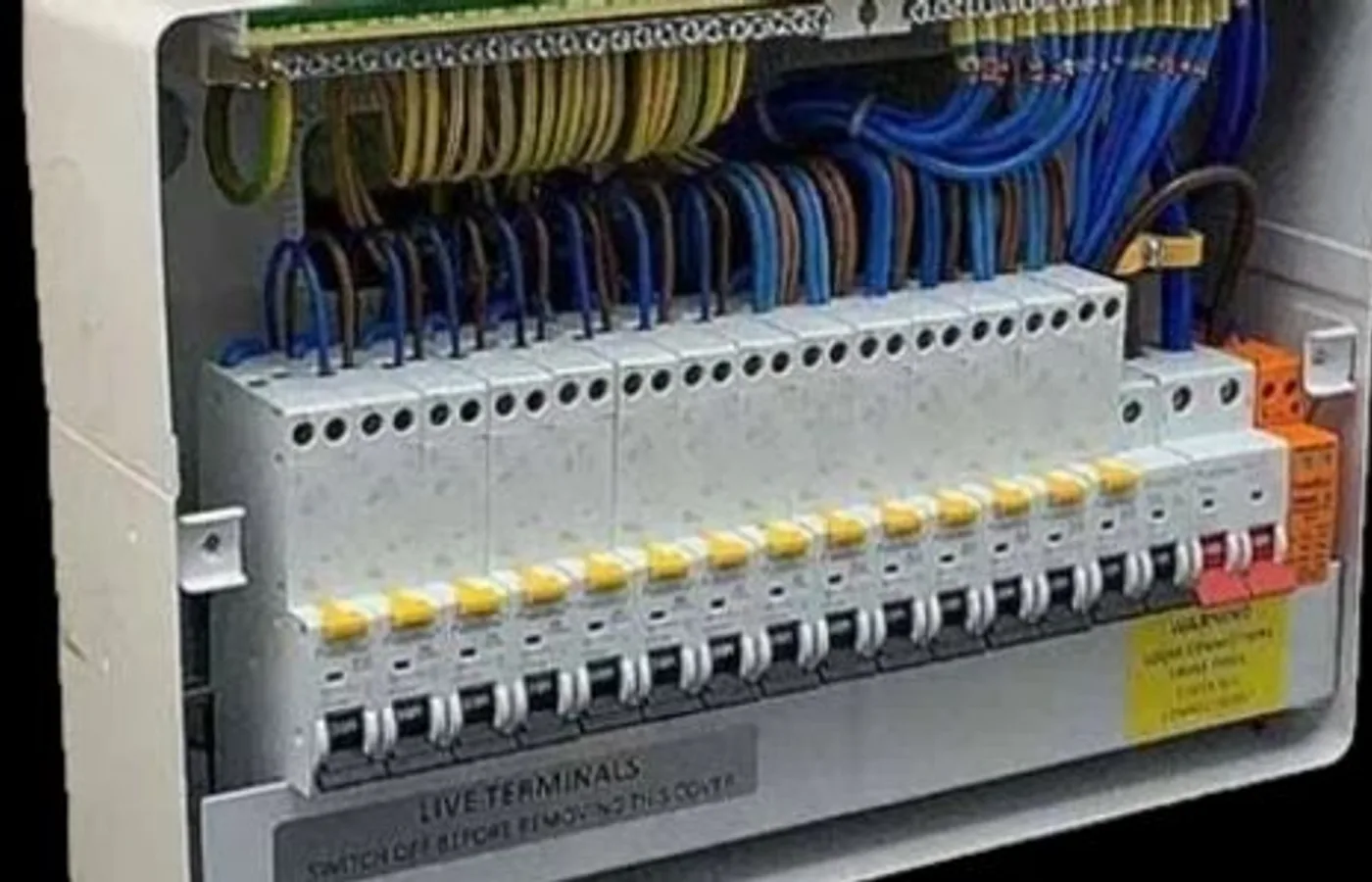
- Consumer unit: The fuse board is inspected for adequate protection, including RCD protection, correct labelling, and compliance with current standards.
- Earthing and bonding: The property's earthing arrangement and main protective bonding are checked, as these are critical to safety.
A typical domestic EICR takes between two and four hours, depending on the size and age of the property and the number of circuits. Some circuits are switched off during testing, so we agree timings that suit the property and any tenants in advance.
Understanding the Report Codes
The value of an EICR is in the detail. Any issues found are recorded against standard classification codes that tell you how serious each observation is and what action is needed.
- C1, danger present: A risk of injury exists and immediate action is required. This makes the report unsatisfactory, and the danger must be made safe straight away.
- C2, potentially dangerous: Urgent remedial work is required. This also results in an unsatisfactory report and should be corrected promptly.
- C3, improvement recommended: The installation is not dangerous, but an improvement would raise it towards current standards. A C3 on its own does not make the report unsatisfactory.
- FI, further investigation: Something needs closer examination to determine whether it is a defect. This can also lead to an unsatisfactory outcome until resolved.
An overall satisfactory report means the installation is safe for continued use. An unsatisfactory report means one or more C1, C2, or FI items must be addressed before the property can be considered compliant.
What to Do If Remedial Work Is Flagged
An unsatisfactory report is common, particularly in older properties, and it is not a cause for alarm. It simply sets out what needs putting right.
- Prioritise by code: C1 items are dealt with immediately, C2 items promptly. We flag any urgent safety issue at the time of inspection rather than waiting for the written report.
- Get a clear quote: We explain each observation in plain terms and provide a quote for the remedial work, so you know exactly what is involved and what it costs.
- Have the work carried out: Remedial work is completed to BS 7671 standards and certified, correcting the coded items so the installation meets the required standard.
- Confirm compliance: Once the work is done, the installation can be confirmed as satisfactory, giving you a valid EICR for the property.
Staying Compliant
Keeping on top of electrical safety is straightforward once you have a routine, and it protects both your tenants and your position as a landlord.
- Track your renewal date: Note when each property's EICR expires and book the next inspection in good time, at least every five years or sooner if specified.
- Keep your paperwork: Retain the EICR and any remedial certificates, and make the report available to tenants as required.
- Act on recommendations: Address C3 improvement items when practical, as they raise the installation towards current standards and reduce issues at the next inspection.
- Use a qualified electrician: Have your EICRs and any remedial work carried out by a competent, qualified electrician so the results stand up to scrutiny.
We are fully insured and certified, and we carry out EICRs and landlord safety inspections to BS 7671 standards for landlords and letting agents across Glasgow and Lanarkshire.
Frequently Asked Questions
Landlords in Scotland must hold a valid EICR renewed at least every five years, or sooner if the report specifies an earlier date. The inspection should be in place before a new tenancy begins, and the report made available to tenants.
A typical domestic EICR takes between two and four hours, depending on the size and age of the property and the number of circuits. Some circuits are switched off during testing, so we agree convenient timings with you and any tenants in advance.
C1 means danger is present and immediate action is required. C2 means potentially dangerous and urgent remedial work is needed. C3 means an improvement is recommended but the installation is not dangerous. C1, C2, and any further investigation items result in an unsatisfactory report until corrected.
An unsatisfactory report lists the coded items that need attention. We explain each one clearly, provide a quote for the remedial work, and carry it out to BS 7671 standards with certification. Once the coded items are corrected, the installation can be confirmed as satisfactory.
No. An EICR covers the fixed wiring of the property, the cabling, sockets, circuits, and consumer unit. PAT testing covers portable appliances that plug in. They are separate inspections, and many landlords need both. We offer each of them.
Tenants do not need to be present throughout, but access to the whole property is required, and the power will be interrupted for parts of the inspection. We arrange access and timings with the landlord, letting agent, and tenants in advance to keep disruption to a minimum.